Payment Process Creation
Industry
Automotive Retail Technology
Company
Allied Solutions
Duration
May-Aug 2025
Role
UX Design Intern
My internship at Allied Solutions gave me my first opportunity to work on a real product within a professional UX environment. As the UX Lab Intern, I worked on improving the payment experience for one of Allied's digital products, contributing design work that ultimately helped accelerate the product's MVP launch. Beyond design, the experience taught me how UX fits into larger business goals and how teams work together to bring products to life.

What did I do?
Working in two-week agile sprints, I evaluated existing user flows, gathered feedback, created prototypes, and iterated on designs based on testing and stakeholder input. I used Figma to create design solutions and Lucid to map user journeys and communicate ideas across teams.
imagine you are a dealer, a customer is waiting for a refund, and you need a fast, accurate way to process their payment.
What is this product?
The product helps automotive dealerships lookup, manage, track, and refund customer protection products and contracts. It serves as a centralized system for handling contract information and refund requests, helping dealership employees complete their work more efficiently and accurately.
Who did I work with?
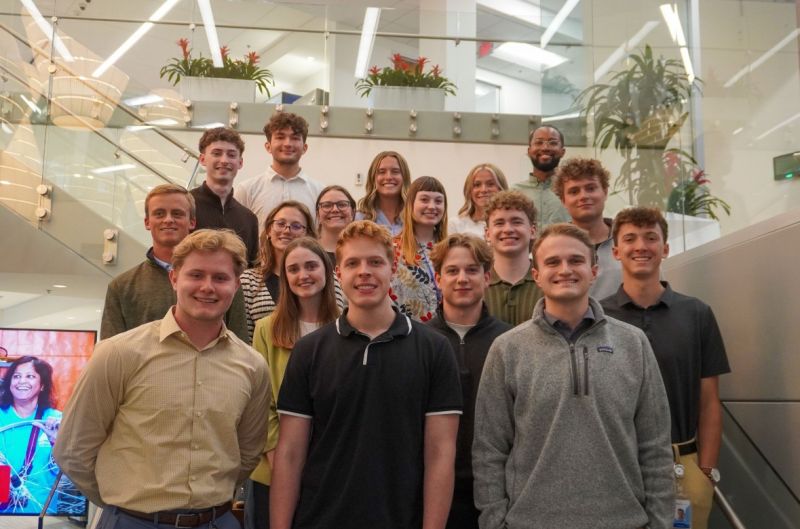
I worked alongside designers, product teams, developers, stakeholders, and fellow interns. Collaborating with people from different backgrounds helped me understand how design decisions impact both users and business objectives.
the process
Designing a payment experience that felt simple, secure, and intuitive within a complex dealership workflow.
Rather than treating payments as a standalone feature, I focused on designing an experience that fit naturally within the existing dealership workflow. By mapping processes, evaluating user needs, and collaborating with stakeholders, I identified opportunities to make the payment journey feel more seamless and intuitive from start to finish. Through multiple rounds of exploration and iteration, I designed a solution that balanced user expectations, business requirements, and technical considerations while maintaining a clear and consistent experience. The result was a payment flow that supported efficient task completion and contributed to digital payments being included in the product's MVP launch.
how might we reduce friction throughout the payment journey so users can complete payments confidently and efficiently?
Key Focus
but, why?
Employees use systems like this every day, often processing large volumes of information and customer requests. When workflows are confusing or inefficient, productivity suffers and mistakes become more likely. This project taught me how thoughtful UX can simplify complex business processes and create meaningful value for both users and the organization.
throughout the design process, being able to answer the "why" is very important.
What did I learn?
Designing in a Fast-Paced Environment
This was my first experience working within agile sprint cycles, and it dramatically changed how I think about design. I learned how to iterate quickly, balance multiple priorities, and stay flexible as requirements evolved. Instead of chasing perfection, I learned the value of continual improvement and incremental progress.
UX Extends Beyond the Screen
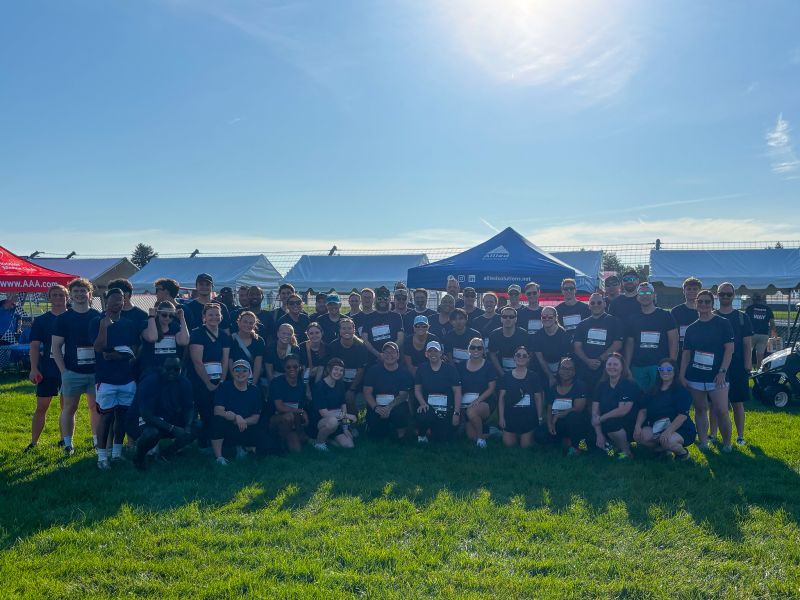
Some of the most valuable lessons from this internship happened outside of design work. Through networking events, professional development sessions, and company programs, I gained a better understanding of workplace culture, professional communication, and how design operates within a broader organization. It helped me grow not only as a designer, but as a future professional.